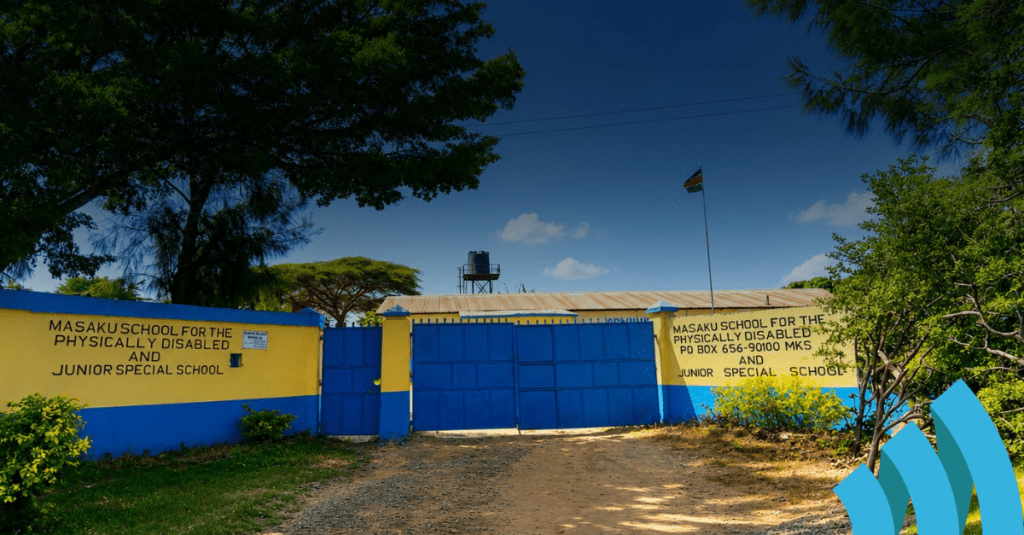

For students at Masaku School for the Physically Disabled in Machakos County, the answer is taking shape through technology. With support from the , the school now has reliable internet connectivity across its computer lab, classrooms, staff room and administration block.
The school supports students with multiple disabilities, many of whom have limited access to devices and internet connectivity outside school. Bringing internet access into the learning environment has given them more opportunities to explore, research, and learn beyond the classroom.
Turning a Computer Lab into a Learning Space
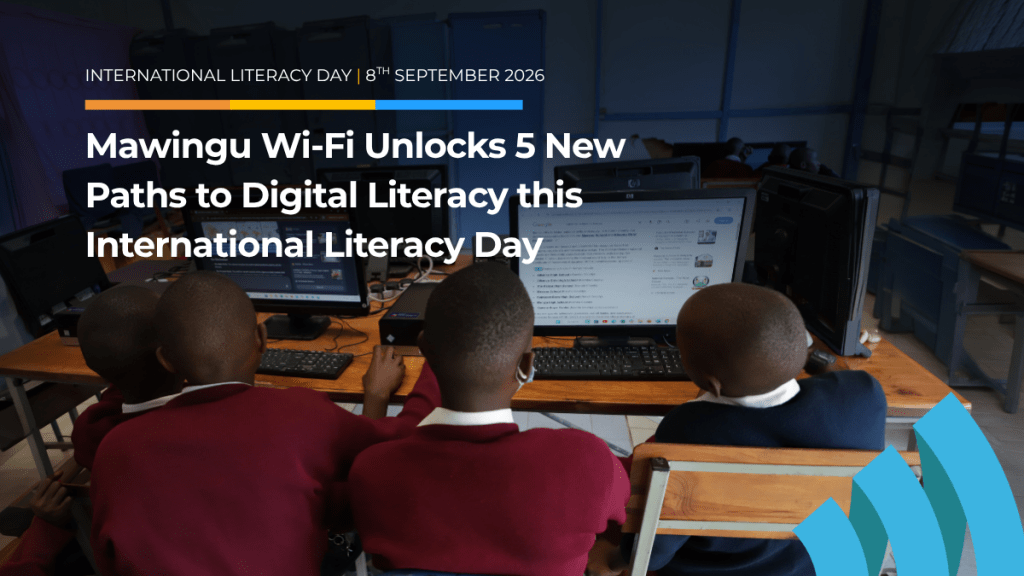
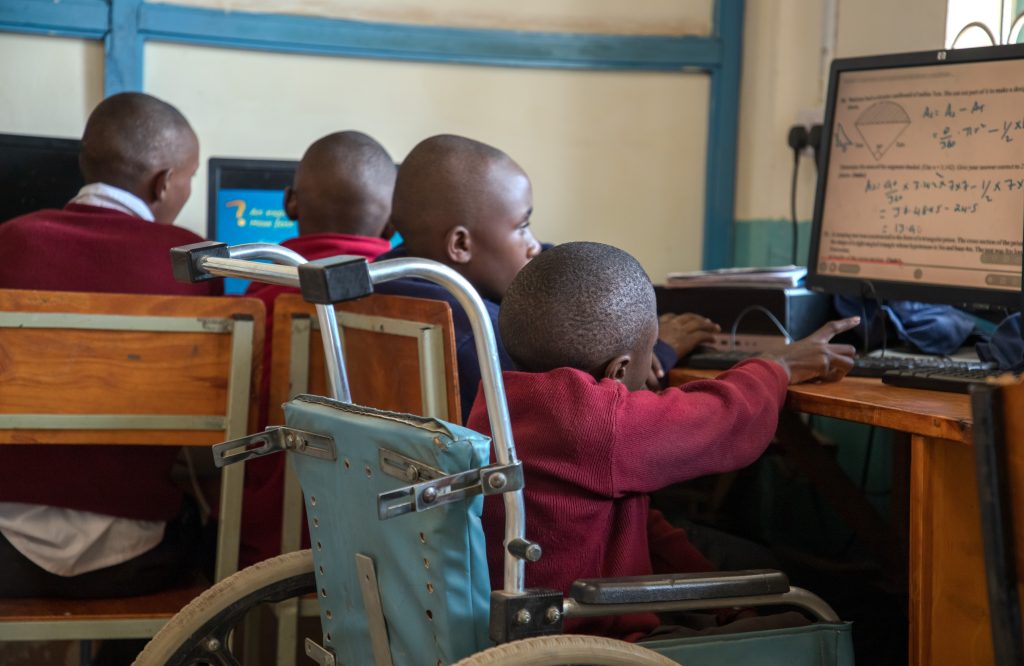
Masaku already had a computer lab with desktops. What was missing was the internet connection needed to make those computers more useful for learning.
Mercy, a teacher and ICT coordinator at the school, explains that financial constraints had made it difficult for the school to install Wi-Fi. The Mawingu Foundation stepped in to provide connectivity and install routers across the school.
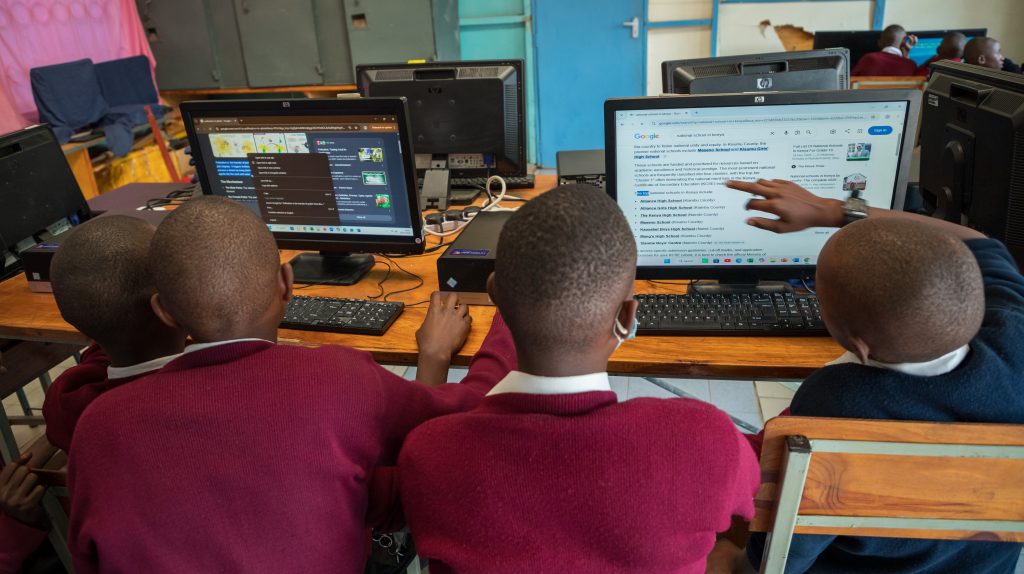
The difference can now be seen in how students use the lab. They can search for information related to their lessons, follow resources referenced in their textbooks, and explore topics beyond what is immediately available in class. Students can also use tools such as PowerPoint while working on school assignments, helping them develop digital skills alongside their regular schoolwork.
For students who may have little or no internet access at home, the computer lab provides an opportunity to experience technology and use it as part of their learning.
Giving Teachers More Ways to Teach
The connection is also changing what teachers can bring into the classroom.
Instead of relying only on textbooks and other materials available at school, teachers can search for videos, images, tutorials, and other resources that help explain a lesson. Students can watch demonstrations and then apply what they have learned to their own assignments and projects.
Physical Education provides one example. Students can search online to understand how a particular game is played, watch demonstrations, and learn about activities before putting that knowledge into practice.
The same applies to practical projects. Before beginning an assignment, students can search for examples or watch YouTube tutorials to understand what they are expected to create. The internet is not replacing the classroom. It is giving teachers and students more to work with inside it.
A Wider Push for Access
Masaku’s experience reflects the wider work of the Mawingu Foundation to extend meaningful connectivity to underserved communities.
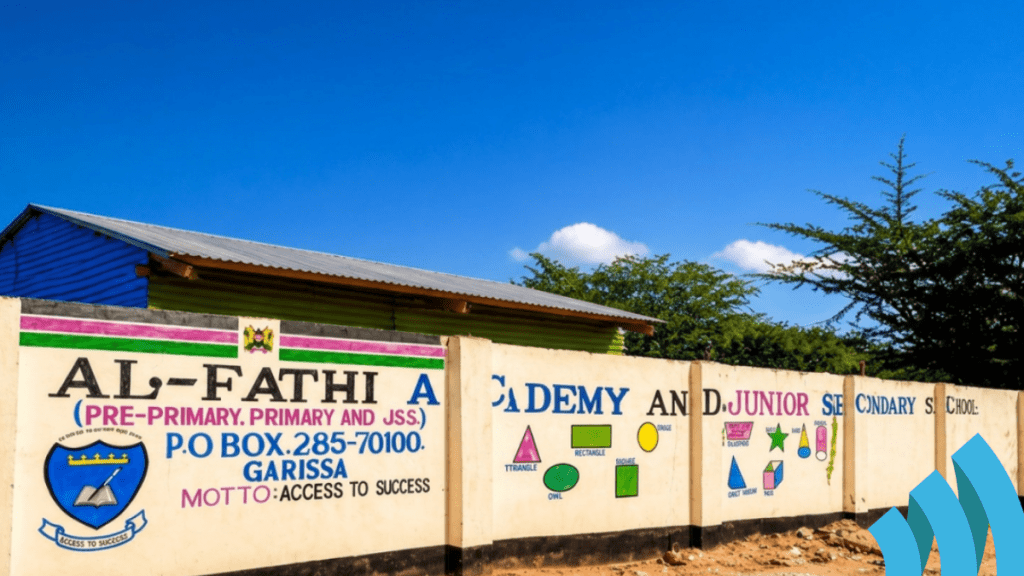
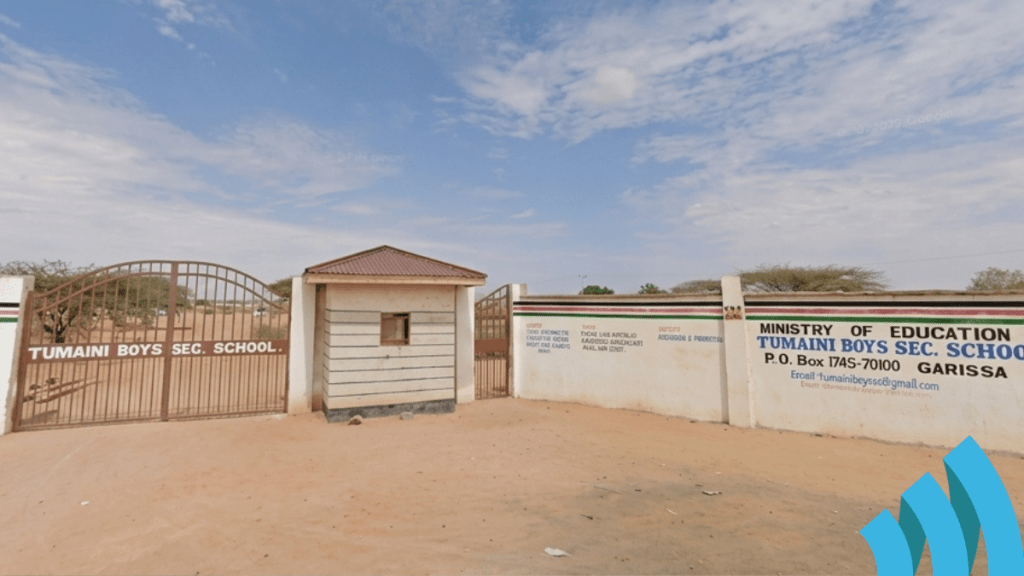
The Foundation has also supported digital learning in other schools. At Garissa School for the Deaf connectivity and digital skills help teachers integrate online resources into learning. At Yathrib School in Garissa, Mawingu Wi-Fi is supporting access to digital learning resources.
Connectivity is also opening access to information and opportunities beyond schools. In Kikao, Wajir County, young farmers are using internet access to find information and explore opportunities beyond their immediate surroundings.
The needs may differ, but the principle remains the same: reliable connectivity can give people more ways to learn, work, and participate.
Connecting People to Opportunity
Mawingu CEO Farouk Ramji puts the purpose of connectivity into perspective:
“Mawingu’s aim is not to simply drop an Internet cable at someone’s doorstep. We seek to help our customers access new opportunities for work, education, entertainment, and social connections through the power of the Internet.”
Masaku School brings that vision to life in everyday moments: a student researching a project, a teacher finding a resource to support a lesson, or a class learning how to create a presentation.
These moments are particularly significant in a school serving students with multiple disabilities. Access to technology gives them more ways to participate in learning and build skills that extend beyond the classroom.
Building Towards 2028
Masaku School is one example of the wider impact Mawingu is working towards.
Mawingu’s 2025 Impact Report outlines an ambition to positively impact 1 million Africans by 2028 through meaningful, reliable and inclusive connectivity. That ambition is not only about connecting more people, but about what happens after the connection is made.
At Masaku, it means students can search, explore and create. It means teachers have more resources to support their lessons. And it means a computer lab can become a gateway to information that once felt out of reach. Because meaningful connectivity is not simply about getting online. It is about what people can do once they are connected.
To learn more about the Mawingu foundation and its work expanding connectivity to underserved communities, visit the Mawingu foundation.