
A science lesson can look very different from one classroom to another. While some learners can watch experiments, explore interactive content, and access online learning resources, others are still limited by unreliable or no internet access.
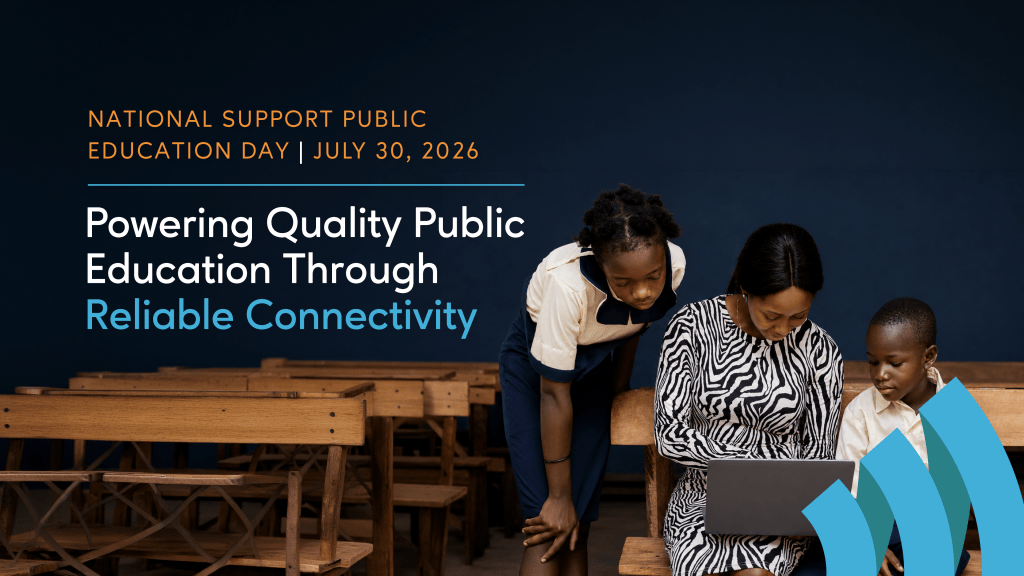
Closing this digital gap is becoming increasingly important as schools continue integrating technology into teaching and learning. As more schools embrace digital learning, reliable internet is becoming part of the infrastructure that supports quality education. This National Support Public Education Day serves as a reminder that supporting public education goes beyond classrooms and textbooks. It also means investing in the tools and infrastructure that help teachers teach more effectively and learners access better learning opportunities.
Kenya’s Competency-Based Curriculum (CBC) places greater emphasis on practical and interactive learning. Teachers are increasingly using digital resources to prepare lessons, demonstrate concepts, and enrich classroom discussions, while learners are building digital skills and accessing educational content beyond the classroom. For many schools, however, the ability to take advantage of these opportunities depends on one thing: reliable internet.
Reliable connectivity is helping more schools make that transition.
Mawingu has spent the last several years expanding affordable, high-speed internet to communities that have traditionally been underserved. Today, the company operates in more than 31 counties, connecting homes, businesses, health facilities and schools across Kenya.
According to Mawingu’s 2025 Impact Report, more than 480 schools are connected through the company’s network, providing teachers and learners with greater access to digital learning resources and opportunities. Guided by its moonshot goal of positively impacting one million Africans by 2028, Mawingu continues to expand reliable connectivity that enables education, economic inclusion and community development.
The impact of that connectivity is already visible in schools across the country.
At Katheka Kai Primary School in Machakos County, reliable internet is helping teachers bring lessons to life through videos, images and online educational resources that support the Competency-Based Curriculum.
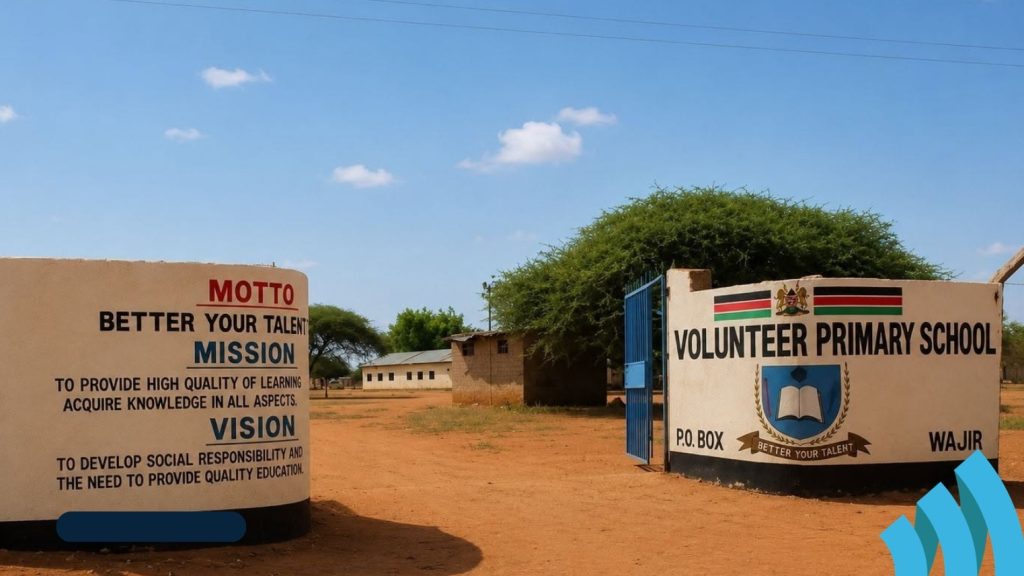
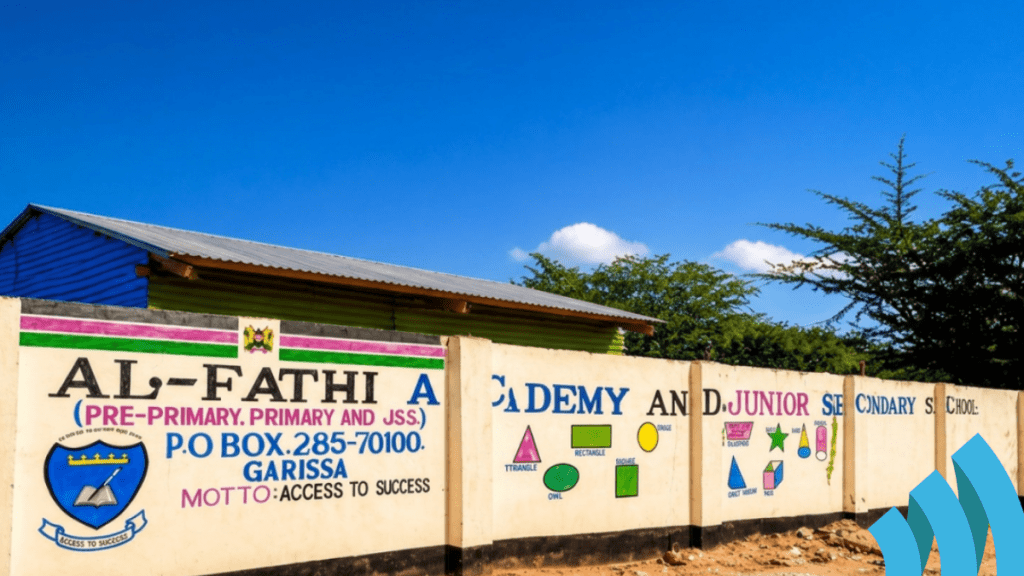
Similar changes are taking place elsewhere. At Garissa School for the Deaf, connectivity has introduced visual learning resources that make lessons more engaging while improving communication between the school and parents. In neighboring Wajir School for the Deaf, reliable internet provided by Mawingu is helping learners access information more independently while giving teachers access to digital teaching materials that were previously out of reach.
In Kakamega County, Mawingu Foundation, in partnership with American Tower Corporation (ATC) Kenya, is expanding digital community hubs in schools, providing learners and teachers with reliable internet alongside digital resources that support teaching and learning.
Beyond expanding connectivity, Mawingu is also investing in digital upskilling. Through partnerships with organisations such as the African Centre for Women in Information and Communication Technology (ACWICT), teachers in Garissa and Wajir have received training to strengthen their digital capabilities, equipping them with the skills and confidence to integrate technology into classroom instruction and enhance learning outcomes.
Mawingu Chief Executive Officer Farouk Ramji says reliable internet has become an essential enabler of quality education and community development.
“Reliable internet is now central to how communities learn, work, and grow. By expanding connectivity to more schools and underserved communities, we are helping ensure that learners and teachers have access to the digital tools they need to
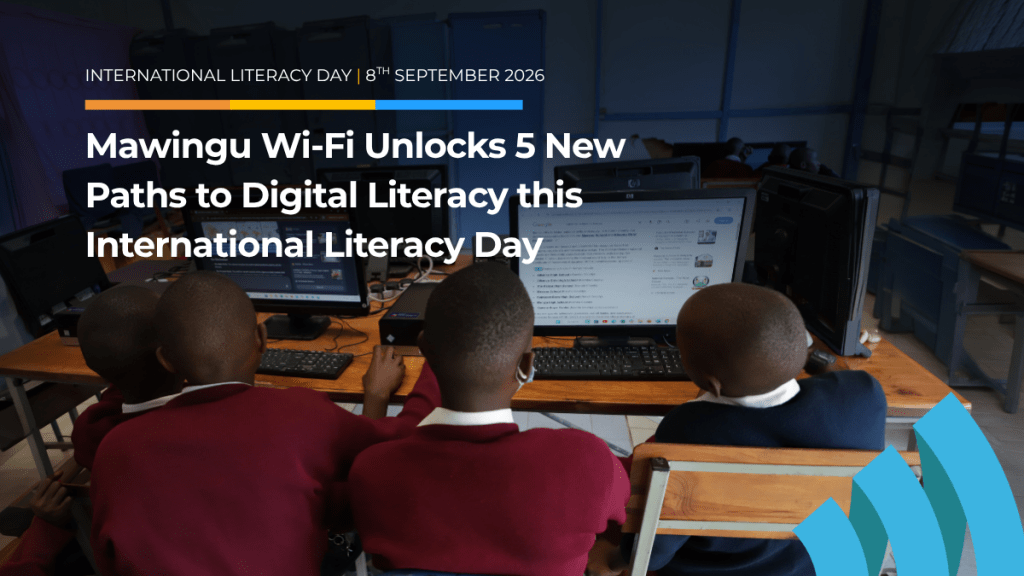
His remarks reflect the growing role connectivity is playing in supporting teaching and learning across Kenya. As more schools embrace digital learning, internet access is no longer simply about getting online. It is supporting lesson preparation, strengthening school administration, improving digital literacy among learners, and creating learning environments that prepare young people for an increasingly digital world.
National Support Public Education Day reminds us that supporting public education goes beyond classrooms, teachers and textbooks. It also means ensuring schools have the infrastructure needed to prepare learners for the future. As digital learning continues to grow, expanding reliable connectivity will remain an important part of helping more learners and teachers, regardless of where they are, access the tool and opportunities they need to succeed.
To learn more about Mawingu’s work in expanding reliable connectivity to schools and underserved communities, contact Charles Watiri on charles.watiri@mawingu.co or visit Mawingu Foundation.