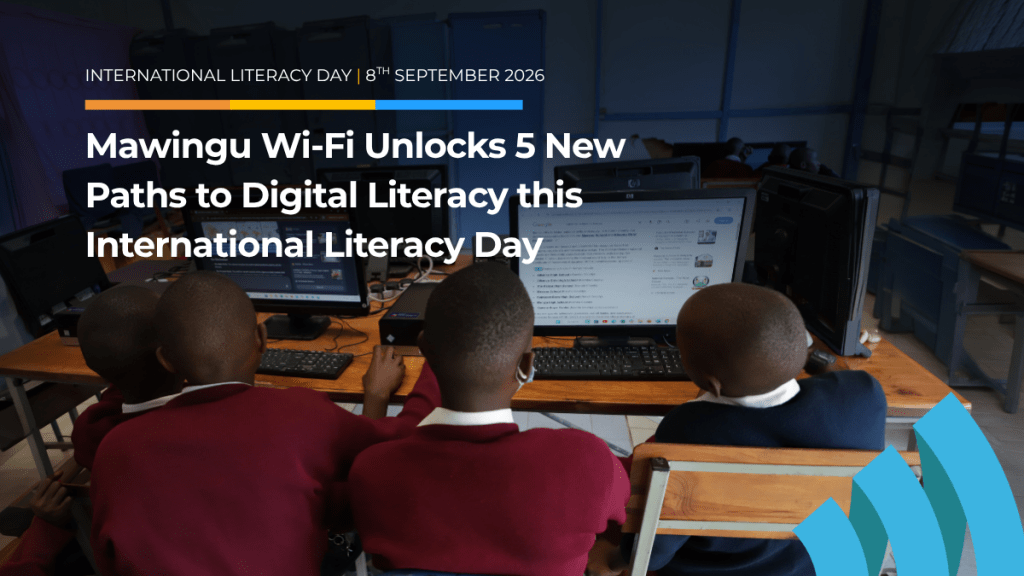

Mawingu Wi-Fi is helping redefine what literacy can look like in a connected world, where access to information, digital tools and online learning is increasingly shaping how people learn, work, and participate in society.
On September 8, 2026, the world marks International Literacy Day under the theme “Literacy for People, the Planet and Prosperity.” The day, established by UNESCO, highlights the importance of literacy as a foundation for lifelong learning, inclusion, and sustainable development. This year also marks the 60th anniversary of International Literacy Day.
For communities that have historically had limited access to reliable internet, literacy today goes beyond the ability to read and write. It also means being able to find information online, use digital tools, evaluate information, learn new skills, and take advantage of opportunities made possible by connectivity.
That is where meaningful internet access matters.
Mawingu Wi-Fi and the Power of Digital Literacy
For Mawingu, connectivity is not simply about getting people online. It is about what people can do once they are connected.
Mawingu’s work across rural and peri-urban communities is focused on making internet access more meaningful and affordable, particularly in areas where reliable connectivity has traditionally been limited.
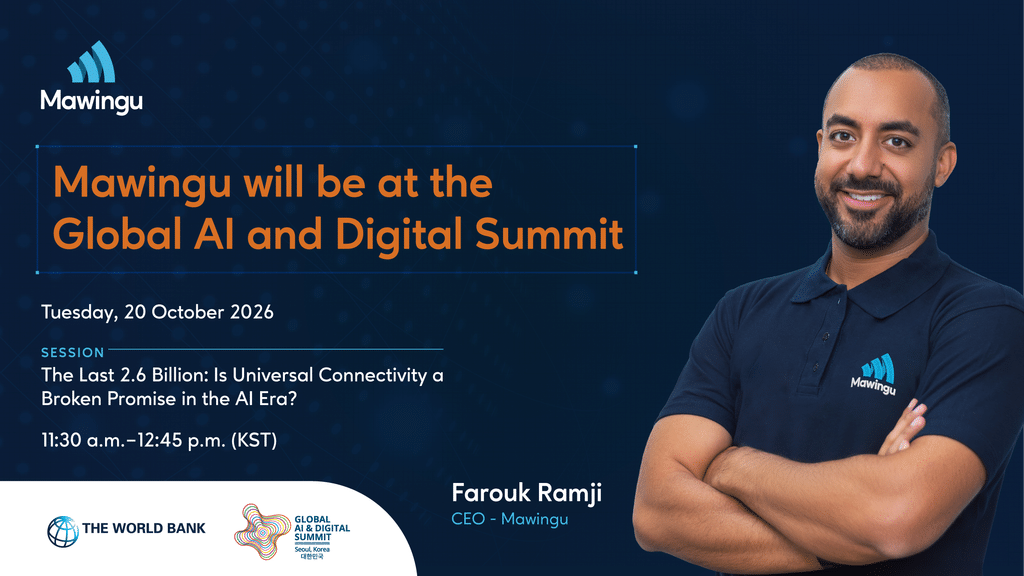
As Mawingu CEO Farouk Ramji explains:
“The internet provides equal opportunities for everyone. By connecting people, particularly those who previously lacked access, it offers a whole new world of possibilities.”
The quote reflects an important shift in how we understand literacy. A learner who can search for educational resources, a teacher who can access new teaching materials, or a young person who can complete an online skills course is developing capabilities that extend beyond the traditional classroom.
1. Mawingu Wi-Fi Opens Access to Knowledge
The internet has transformed how people find and share information. For students, this can mean accessing digital textbooks, educational videos, research materials, and learning platforms that may not be available in their immediate surroundings.
At Katheka Kai Primary School, for example, learners and teachers are using connectivity to complement classroom learning with digital resources. According to the school, access to videos, images and online resources is helping encourage curiosity and classroom participation.
This is one of the ways Mawingu Wi-Fi can support digital literacy: by giving learners more ways to discover, understand and apply knowledge.
2. Mawingu Wi-Fi Supports Teachers and Digital Learning
Digital literacy is not only for learners. Teachers also need access to technology and digital resources to make learning more engaging.
With reliable internet, teachers can explore new teaching materials, introduce multimedia into lessons, and find resources that complement the curriculum.
The Mawingu Foundation has been working with schools and underserved communities to make connectivity more meaningful for education. Its work includes supporting connected classrooms and digital learning initiatives for learners, including learners with disabilities.
This matters because a connected teacher can create opportunities for a connected learner.
3. Mawingu Wi-Fi Helps Young People Build Digital Skills
Literacy in today’s economy increasingly includes the ability to use digital platforms confidently.
Young people can use the internet to learn skills, explore career opportunities, access information about entrepreneurship, and connect with markets beyond their immediate communities.
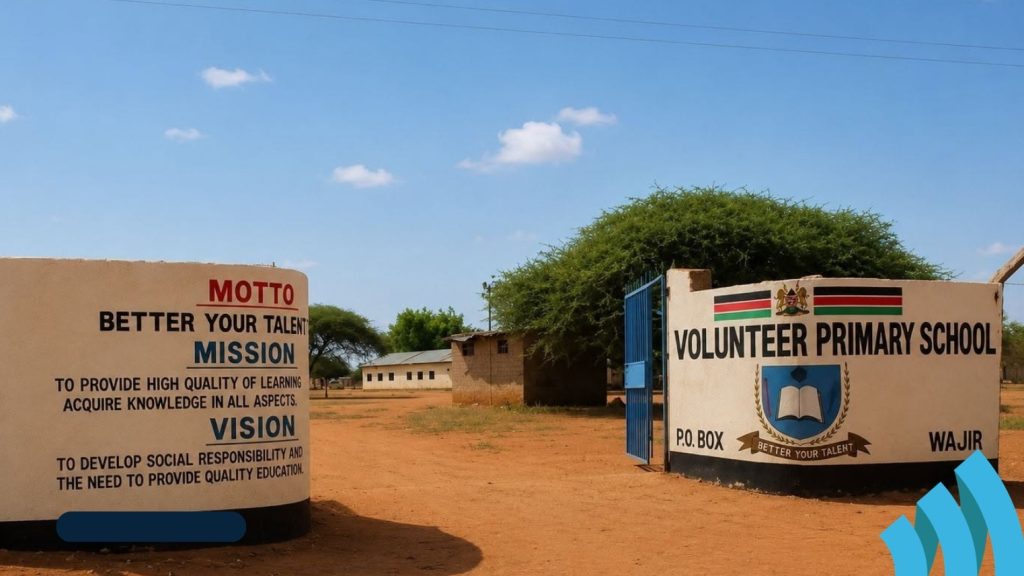
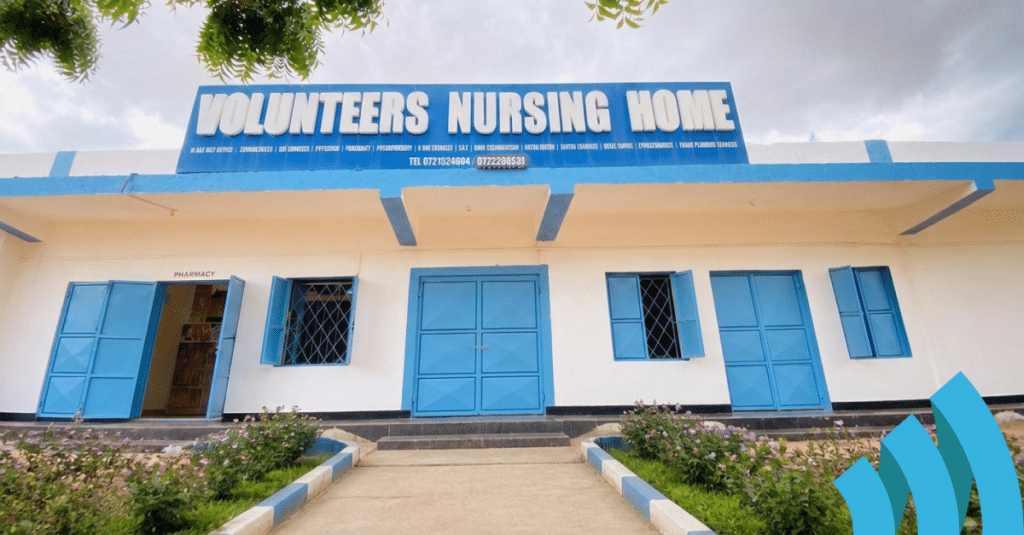
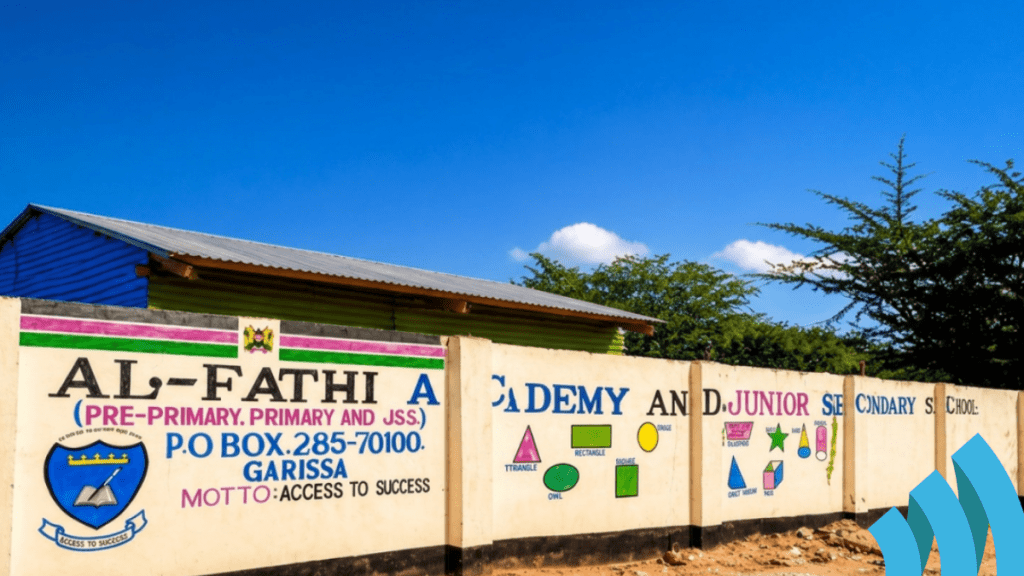
Mawingu’s recent work with communities in Garissa and Wajir demonstrates this connection between internet access and digital skills. Through a partnership with the African Centre for Women in Information and Communication Technology (ACWICT), the Digital Skills for Underserved Communities initiative equipped educators and healthcare professionals with digital knowledge and tools.
The goal is not simply to connect communities, but to ensure that connectivity can translate into practical knowledge and opportunity.
4. Mawingu Wi-Fi Makes Learning More Inclusive
Literacy should be accessible to everyone, including people who have historically faced barriers to education and technology.
Digital connectivity can help expand access to information and learning resources for communities that may otherwise be left behind.
The Mawingu Foundation’s digital inclusion work includes initiatives supporting persons with disabilities, women and other underserved groups, with a focus on meaningful connectivity, digital skills and economic empowerment.
Projects such as digital learning initiatives in schools for learners with disabilities show how connectivity can create additional ways for learners to engage with information and participate in education.
5. Mawingu Wi-Fi Connects Literacy to Opportunity
Perhaps the most important part of digital literacy is what it makes possible. When people can access information, build skills, and communicate online, they can also explore opportunities beyond their immediate surroundings.
This could mean a student discovering a scholarship, a young person completing an online course, an entrepreneur reaching a new customer, or a farmer finding information that can improve their work.
Mawingu’s own impact demonstrates the connection between connectivity and opportunity. Its 2025 Impact Report recorded 2,857 enterprises connected across 39 markets, showing how internet access can support economic activity alongside education and community development.
Beyond a Connection: Building a More Literate Digital Society
International Literacy Day gives us an opportunity to look beyond traditional definitions of literacy.
Reading and writing remain fundamental. But in an increasingly connected world, people also need the skills and access required to navigate digital spaces, find trustworthy information, communicate, learn and participate.
That is why Mawingu Wi-Fi sees connectivity as more than an internet service. It is a tool that can help open access to education, information, skills, work, and other opportunities.
Farouk Ramji puts this broader purpose into perspective:
“Mawingu’s aim is not to simply drop an Internet cable at someone’s doorstep. We seek to help our customers access new opportunities for work, education, entertainment, and social connections through the power of the Internet.”
That vision is reflected in Mawingu’s ongoing work to expand meaningful connectivity across underserved communities.
Celebrating International Literacy Day Through Connection
On this International Literacy Day, we celebrate every learner discovering something new, every teacher using technology to enrich a lesson, every young person gaining a new digital skill, and every community gaining access to information and opportunity. Because literacy is not only about knowing how to read the world around us. It is also about having the tools to participate in it, learn from it and shape what comes next.
Through Mawingu Wi-Fi and the work of the Mawingu Foundation, connectivity can become a pathway to that future one learner, one classroom and one community at a time.
To learn more about Mawingu Foundation and its commitment to meaningful digital inclusion, visit the Mawingu Foundation or reach out to charles.watiri@mawingu.co
For more on Mawingu’s work in expanding connectivity and creating opportunities, explore Mawingu’s latest stories and updates.