
Accessing information online should be a simple part of learning and school administration. Yet for schools without reliable internet, activities such as researching assignments, accessing government platforms, and finding teaching resources can come with additional costs, time, and travel.
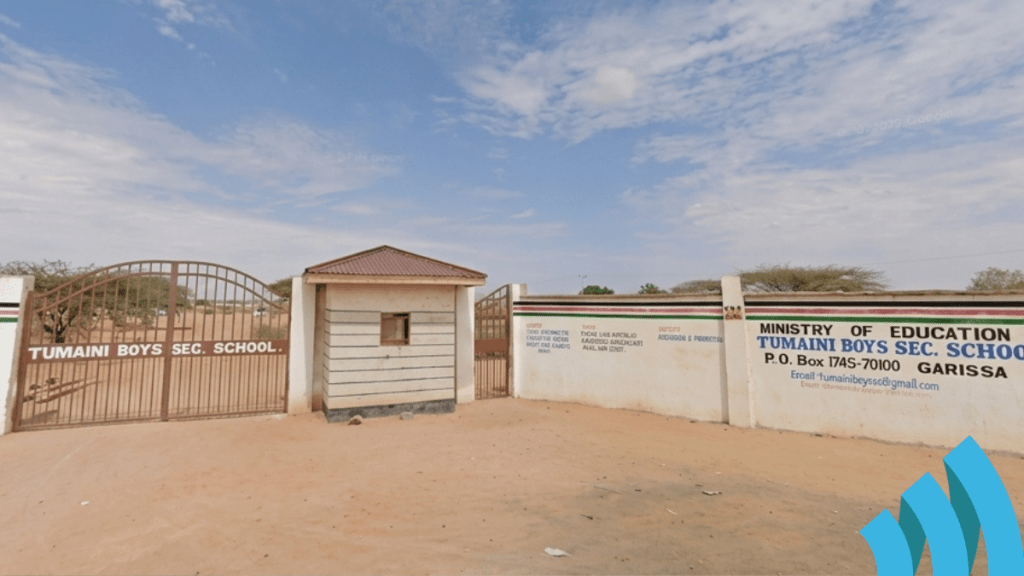
That was part of the challenge at Tumaini Boys Secondary School in Garissa Township.
Before the school had reliable connectivity, accessing government portals was difficult and costly. Teachers sometimes had to travel to cyber cafés in town to complete online tasks, while school-related activities could also mean spending more on individual data bundles.
For students, limited access to the internet could also make it harder to reach a wider range of information and learning resources available online.
The challenge was not a lack of interest in digital resources. It was having reliable access to them.
In May 2025, the Mawingu Foundation became an enabler by connecting Tumaini Boys to Mawingu Wi-Fi, bringing reliable internet access into the school and making digital resources more accessible to students and teachers.
Giving Students More Room to Research
One of the clearest examples of the value of that access came during the school’s preparation for this year’s Science and Engineering Fair.
According to Mr. Wekesa, the school’s ICT in-charge, internet access helped students conduct research as they prepared for the fair. With online information within reach, students could explore ideas and gather material to support their projects.
For learners, this means the classroom can be complemented by a much wider pool of information. Online resources can help students explore subjects further, research projects, and discover information that may not be available in their immediate learning environment.
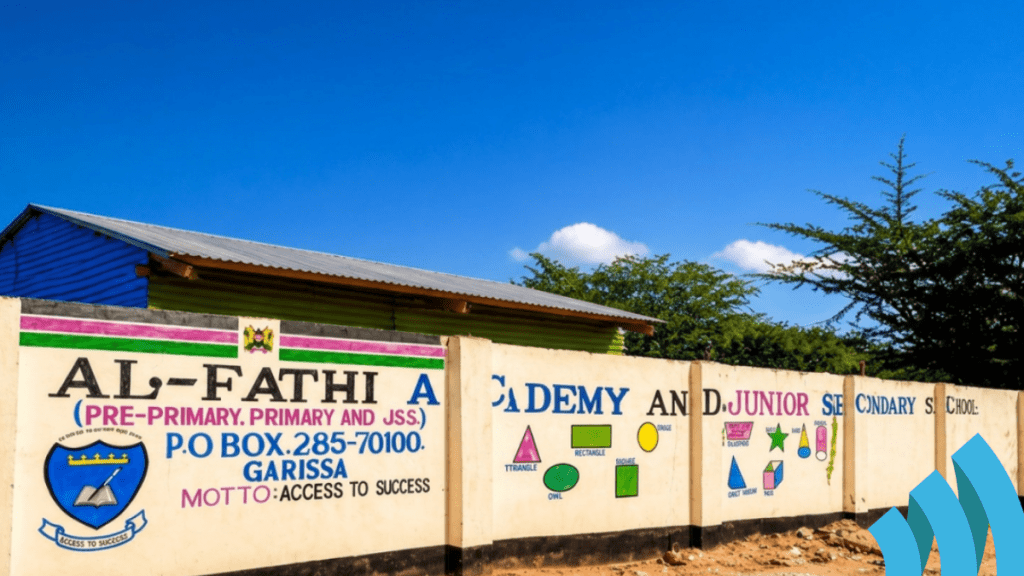
The experience is part of a wider picture emerging from schools connected through the Mawingu Foundation. At Al-Irshad Integrated Academy –Kunaso in Garissa Township, connectivity is similarly helping teachers access online learning materials and use digital resources as part of their work.
These experiences show how reliable the internet can become a practical learning tool when schools have access and opportunity to use it.
Bringing Digital Services Closer to Teachers
The challenge of connectivity does not end with student learning.
Teachers also rely on the internet to complete professional and administrative responsibilities. At Tumaini Boys, reliable connectivity is helping make access to these services easier.
Teachers can access NEMIS and online TPAD more conveniently, while communication with the Teachers Service Commission (TSC) and the Ministry of Education has become easier and more efficient.
This helps reduce the need for teachers to travel to cyber cafés to complete online tasks and helps save resources that would otherwise go towards accessing digital services outside the school.
The school also reports savings on data bundles, giving teachers greater access to a shared internet connection for school-related activities.
The administrative value of connectivity is also visible in other schools. At Tetu Senior School in Garissa County, reliable internet is supporting more digital school management, showing how connectivity can extend beyond learning to the systems that keep schools running.
Building Digital Skills Alongside Access
Reliable internet creates possibilities, but digital skills determine how effectively those possibilities can be used.
Tumaini Boys reports that some teachers have been trained as Curriculum Development Coordinators (CDCs), contributing to improved digital skills among staff.
With connectivity available within the school, teachers have more opportunities to apply these skills — whether accessing educational resources, communicating with education authorities, or completing online administrative tasks.
The combination of connectivity and digital skills is particularly important in education, where teachers and learners are increasingly expected to navigate digital platforms and resources.
This is also reflected in Garissa School for the Deaf, where connectivity and digital skills are helping create more opportunities for inclusive digital learning in Garissa.
Making Connectivity Work for the School
Farouk Ramji, CEO of Mawingu, says connectivity is ultimately about creating access to opportunities:
“Mawingu’s aim is not to simply drop an Internet cable at someone’s doorstep. We seek to help our customers access new opportunities for work, education, entertainment, and social connections through the power of the Internet.”
Tumaini Boys demonstrates what that approach can look like in everyday school life.
A student preparing for a Science and Engineering Fair can search for information online. A teacher can access NEMIS or TPAD without travelling to a cybercafé. School staff can communicate with education authorities more easily, while teachers can continue developing the digital skills needed in an increasingly connected education system.
These are practical changes, but they address real barriers.
The Mawingu Foundation acts as an enabler by helping schools gain access to reliable and affordable connectivity, creating the conditions for students, teachers and institutions to make greater use of digital opportunities.
At Tumaini Boys, Mawingu Wi-Fi is helping reduce barriers to digital learning in Garissa, while making essential digital services more accessible and helping the school use connectivity as a tool for learning, research and administration.
The connection is only the starting point. What students and teachers are able to do with it is where the opportunity lies.
To learn more about Mawingu and its commitment to expanding digital inclusion through reliable, affordable connectivity and digital opportunities for underserved communities, visit the Mawingu Foundation or reach out to charles.watiri@mawingu.co